Joe control
Top Applications for Anodized CNC Machining Parts in the Industry
Release time:2025.11.27
Top Applications for Anodized CNC Machining Parts in the Industry
Introduction to Anodized CNC Machining Parts
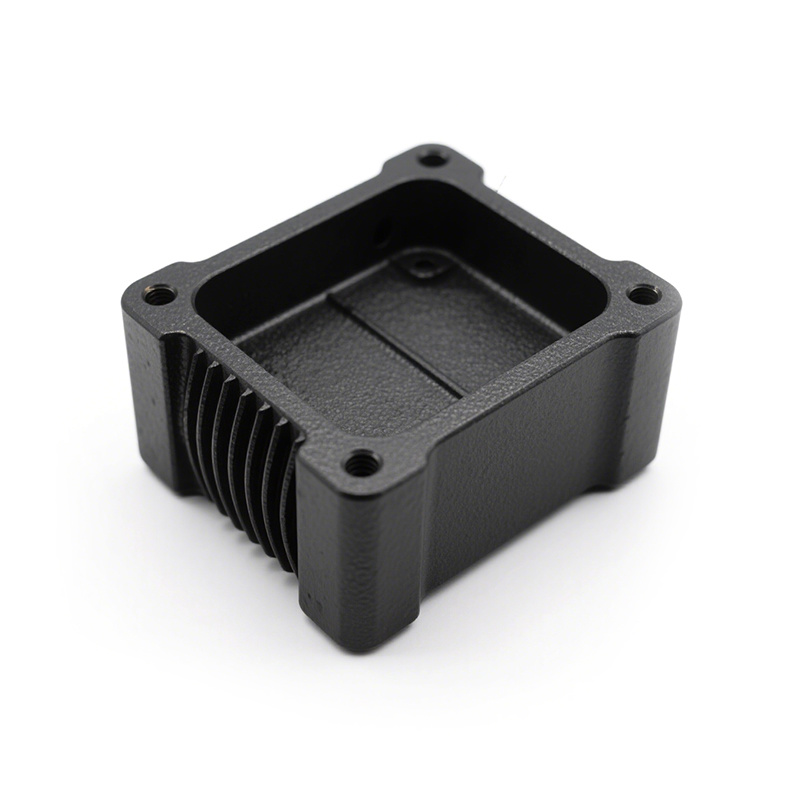
Anodized CNC machining parts are crucial in modern manufacturing, combining precision engineering with the durability of anodization. This process enhances the corrosion resistance, wear resistance, and aesthetic appeal of metal components, particularly aluminum. As industries evolve, the demand for advanced machining parts has increased, leading to the widespread adoption of anodized CNC components. This article will delve into their top applications across various sectors, highlighting their significance and impact.
Understanding the Anodization Process
Anodization is an electrochemical process that converts the metal surface into a durable, corrosion-resistant layer. This process involves immersing the metal in an acid electrolyte solution and passing an electric current through it. The result is a thick, stable, and protective oxide layer that adheres strongly to the underlying metal, making anodized parts visually striking and exceptionally durable.
Benefits of Anodized CNC Machining Parts
1. **Corrosion Resistance**: The anodization process significantly enhances a part's resistance to rust and corrosion, extending its lifespan.
2. **Aesthetic Appeal**: Anodized parts can be dyed in various colors, allowing for customization and branding.
3. **Improved Durability**: The anodized layer provides additional hardness, making parts more resistant to scratches and wear.
4. **Electrical Insulation**: Anodized surfaces can act as insulators, making them suitable for various electrical applications.
5. **Eco-Friendliness**: The anodization process is environmentally friendly compared to other metal finishing options, generating minimal waste and using non-toxic substances.
Top Applications for Anodized CNC Machining Parts
Anodized CNC machining parts find application in a variety of industries due to their numerous benefits. Below are some of the most prominent areas where these parts are utilized.
1. Aerospace Industry
In the aerospace sector, weight reduction and durability are paramount. Anodized aluminum parts are commonly used in aircraft components, including brackets, housings, and structural elements. The lightweight nature of aluminum, combined with the protective anodized layer, ensures long-lasting performance under extreme conditions. Anodization also provides a non-reflective surface, which is critical in applications that require low visibility, such as military aircraft.
2. Automotive Industry
Anodized CNC machining parts are extensively used in the automotive industry for components like engine blocks, suspension parts, and decorative elements. The anodized finish improves resistance to corrosion from road salts and environmental factors, which is particularly important for vehicles exposed to harsh conditions. Furthermore, the aesthetic appeal of anodized components can enhance the visual identity of automotive brands.
3. Electronics and Electrical Applications
Anodized parts are widely utilized in the electronics industry for housings, brackets, and other components that require electrical insulation. The anodized layer provides excellent electrical resistance while maintaining thermal conductivity. This makes them ideal for components such as heatsinks, connectors, and enclosures used in various electronic devices.
4. Medical Devices and Equipment
The medical industry demands components that are not only durable but also hygienic. Anodized CNC machining parts are used in surgical instruments, medical equipment, and implants. The anodized layer is easy to clean and maintains a sterile surface, which is crucial for medical applications. Moreover, the corrosion resistance ensures that these components remain functional over extended periods, even in challenging conditions.
5. Industrial Machinery
Anodized CNC machining parts play a vital role in industrial machinery, where performance and reliability are essential. Components like gears, shafts, and housings benefit from the anodized finish, which enhances their wear resistance and prolongs their operational lifespan. The durability of these parts translates to reduced maintenance costs and improved productivity in manufacturing processes.
6. Sports Equipment
In the sports industry, anodized CNC machining parts are utilized in various equipment, including bicycles, golf clubs, and sporting goods. The lightweight nature and strength of anodized aluminum make it an ideal choice for high-performance equipment. The ability to customize colors also appeals to manufacturers looking to create brand-specific products.
7. Architectural Applications
Anodized CNC parts are increasingly used in architectural applications, such as facades, railings, and structural elements. The aesthetic versatility of anodized aluminum, combined with its corrosion resistance, makes it a preferred choice for modern architecture. The anodized finish can withstand various weather conditions, ensuring that buildings maintain their visual appeal over time.
8. Defense and Military Applications
The defense sector relies on anodized CNC machining parts for various applications, including weapon systems, communication devices, and tactical equipment. The durability, lightweight nature, and corrosion resistance of anodized components are critical in military operations, where equipment must perform reliably under extreme conditions.
Choosing the Right Anodized CNC Machining Parts Supplier
When selecting a supplier for anodized CNC machining parts, several factors come into play. It's essential to evaluate potential partners based on their quality standards, manufacturing capabilities, and experience in your specific industry.
Quality Standards and Certifications
Ensure that the supplier adheres to industry standards and possesses relevant certifications, such as ISO 9001. This guarantees that the parts produced meet stringent quality requirements.
Customization Capabilities
Look for suppliers who can offer customization in terms of size, shape, and color. This flexibility allows for tailored solutions that meet specific project needs.
Lead Times and Delivery Reliability
Assess the supplier's lead times and their ability to deliver parts on schedule. Timely delivery is crucial to maintaining production schedules and avoiding costly delays.
Technical Expertise and Support
A supplier with strong technical expertise can provide valuable insights into material selection and design considerations, ensuring optimal performance of the anodized CNC machining parts.
Future Trends in Anodized CNC Machining Parts
As technology advances, the anodized CNC machining industry is poised for significant growth. Emerging trends include:
1. Sustainable Manufacturing Practices
The industry is moving towards more sustainable practices, focusing on reducing waste and energy consumption during the anodization process. Innovations in eco-friendly anodization techniques are gaining traction.
2. Advanced Coating Technologies
Recent developments in coating technologies are enhancing the properties of anodized surfaces, allowing for even greater durability and functionality in specialized applications.
3. Automation and Smart Manufacturing
The integration of automation and smart technologies in manufacturing processes is improving production efficiency and quality control, leading to faster turnaround times for anodized CNC machining parts.
Conclusion
Anodized CNC machining parts have become indispensable across various industries, offering a unique combination of durability, aesthetic appeal, and functionality. Their applications span aerospace, automotive, electronics, and more, showcasing their versatility and importance. As manufacturing processes continue to evolve, the demand for these advanced components is expected to grow. By understanding the benefits and applications of anodized CNC machining parts, businesses can make informed decisions that enhance their product offerings and improve operational efficiency.
FAQs
1. What is the anodization process, and how does it benefit CNC machining parts?
The anodization process involves creating a controlled oxide layer on metal surfaces, enhancing corrosion resistance, durability, and aesthetic appeal. This protective layer is especially beneficial for CNC machining parts used in demanding environments.
2. Are anodized CNC machining parts suitable for outdoor applications?
Yes, anodized CNC machining parts are highly suitable for outdoor applications due to their enhanced corrosion resistance and ability to withstand various weather conditions.
3. Can anodized CNC machining parts be customized in color?
Absolutely! Anodization allows for a wide range of color options, enabling customization for branding and aesthetic purposes.
4. How do anodized CNC machining parts compare to traditional finishes?
Anodized finishes provide superior corrosion resistance and durability compared to traditional finishes, such as paints or plating, making them a preferred choice for many applications.
5. What industries benefit the most from anodized CNC machining parts?
Industries such as aerospace, automotive, electronics, medical, and construction benefit significantly from anodized CNC machining parts due to their unique properties and performance advantages.
Latest news

Service hotline(09:00 - 18:00)
Email: albee@dghaojia.com
Tel: +86 13544706569
Address: Building 2, No. 8 Junpeng Road, Tangxia Town, Dongguan City, Guangdong Province, China
SEO | Privacy Policy | Powered by CEglobal
Contact us:
TEL:
Email:
在线客服添加返回顶部
页面顺滑的滚动
右侧在线客服样式 1,2,3 1
图片alt标题设置: Dongguan Haojia Hardware Electronics Co., Ltd.
表单验证提示文本: Content cannot be empty!
循环体没有内容时: Sorry,no matching items were found.
CSS / JS 文件放置地