Joe control
The Essential Guide to CNC Milling Brass Parts: Techniques and Benefits
Release time:2025.11.25
CNC milling brass parts is a critical process in the manufacturing and machining industry, particularly for those involved in precision engineering and custom component fabrication. Brass, known for its excellent machinability, corrosion resistance, and aesthetic appeal, is a popular choice for various applications, from automotive components to decorative items. Understanding the nuances of CNC milling for brass parts can significantly enhance production efficiency and product quality.
One of the primary advantages of CNC (Computer Numerical Control) milling is its ability to produce highly intricate designs with precision. CNC milling machines work by removing material from a solid block of brass using rotating cutting tools. This subtractive manufacturing technique allows for the creation of complex geometries that would be challenging or impossible to achieve with traditional machining methods. Moreover, CNC milling ensures consistent quality across multiple parts, which is essential for mass production.
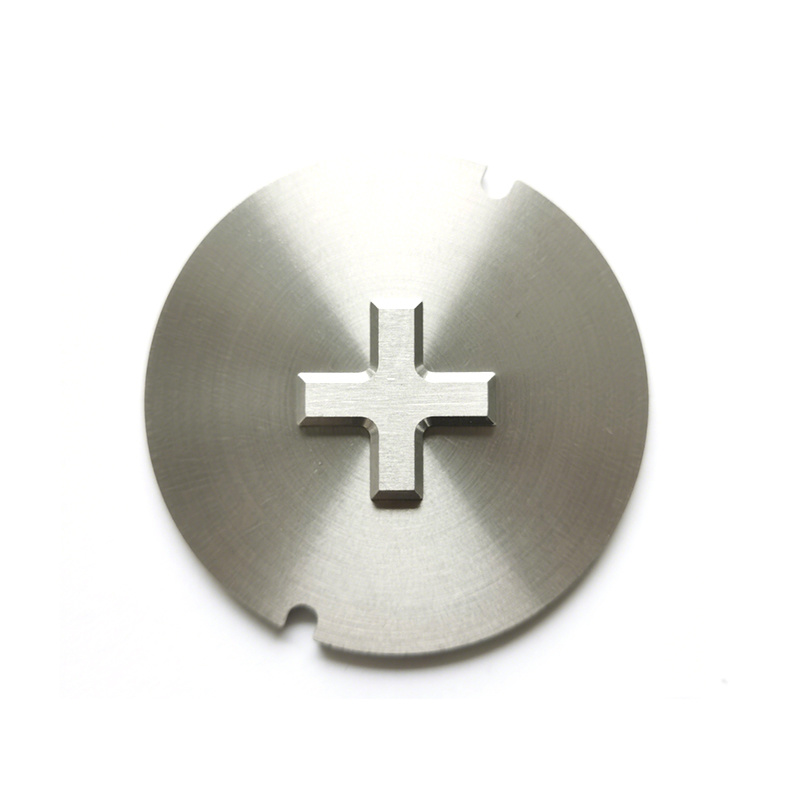
When milling brass, selecting the right tooling is crucial. The choice of cutting tools can greatly influence the surface finish and overall part quality. High-speed steel (HSS) and carbide tools are commonly used for brass machining due to their durability and ability to maintain sharp edges. Additionally, using the appropriate cutting speeds and feed rates tailored for brass can help minimize tool wear and enhance efficiency. Generally, brass requires higher cutting speeds compared to other metals, which allows for faster material removal and improved productivity.
Another important aspect of CNC milling brass parts is the consideration of coolant and lubrication. While brass has good thermal conductivity, using a coolant can help control temperatures during the machining process, reduce friction, and improve the surface finish of the parts. Employing flood cooling or mist lubrication can also enhance tool life and prevent workpiece distortion.
Quality control is paramount when machining brass. Implementing rigorous inspection protocols ensures that each part meets the specified tolerances and quality standards. Techniques such as coordinate measuring machines (CMM) can be employed to verify dimensions and surface finishes, ensuring consistency and reliability in production batches.
In conclusion, CNC milling brass parts presents unique opportunities and challenges in the manufacturing sector. By focusing on the right tooling, optimal machining parameters, and thorough quality control, professionals can achieve high-quality brass components that meet their clients' demands. Embracing these best practices not only enhances production capabilities but also fosters innovation and growth in the competitive landscape of mechanical hardware processing and parts manufacturing.
Latest news

Service hotline(09:00 - 18:00)
Email: albee@dghaojia.com
Tel: +86 13544706569
Address: Building 2, No. 8 Junpeng Road, Tangxia Town, Dongguan City, Guangdong Province, China
SEO | Privacy Policy | Powered by CEglobal
Contact us:
TEL:
Email:
在线客服添加返回顶部
页面顺滑的滚动
右侧在线客服样式 1,2,3 1
图片alt标题设置: Dongguan Haojia Hardware Electronics Co., Ltd.
表单验证提示文本: Content cannot be empty!
循环体没有内容时: Sorry,no matching items were found.
CSS / JS 文件放置地