Joe control
The Benefits of Anodized CNC Machining Parts in Manufacturing
Release time:2025.11.17
In the realm of manufacturing and mechanical hardware processing, anodized CNC machining parts have gained significant attention for their unique properties and benefits. Anodizing is an electrochemical process that converts the metal surface into an aluminum oxide finish, enhancing its appearance, durability, and resistance to corrosion. This process is particularly beneficial in producing high-quality components that require both aesthetic appeal and functionality.
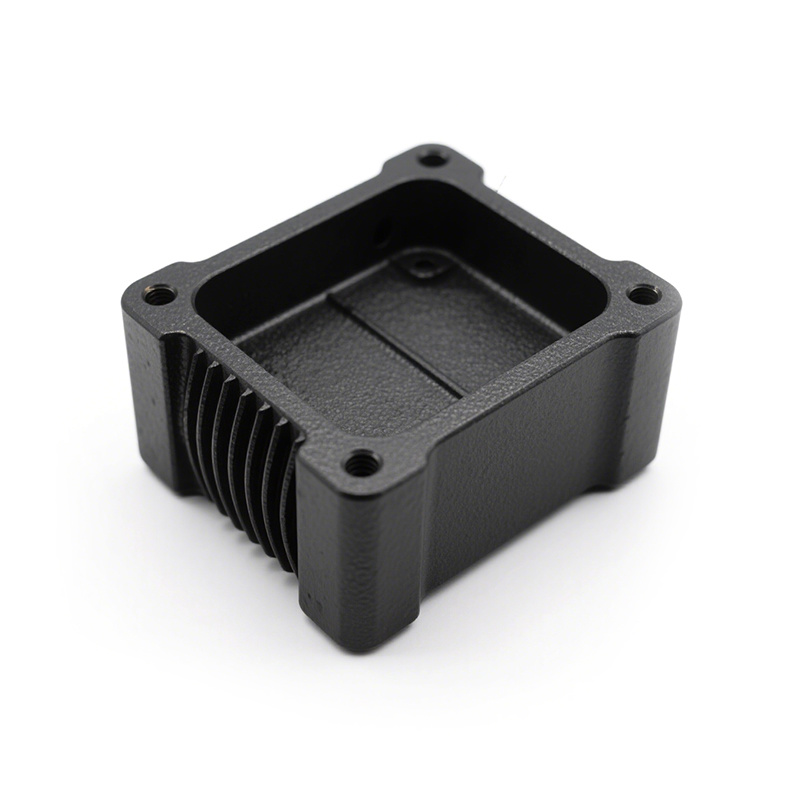
One of the primary advantages of anodized CNC machining parts is their increased resistance to corrosion and wear. The anodized layer acts as a protective barrier against environmental factors, making these parts ideal for applications in harsh conditions. This durability translates to longer service life and reduced maintenance costs, which can be a significant consideration in various industries, including aerospace, automotive, and electronics.
Moreover, anodized CNC machining offers improved surface hardness. The anodized aluminum surface is significantly harder than untreated aluminum, making it less susceptible to scratches and surface damage. This characteristic is essential for parts that undergo frequent handling or are exposed to abrasive environments. As a result, manufacturers can produce parts that maintain their structural integrity and appearance over extended periods.
Another key benefit of anodizing is its versatility in finishing options. The anodization process can be carried out in various colors and finishes, allowing manufacturers to achieve the desired aesthetic without compromising functionality. This flexibility is crucial for companies looking to differentiate their products in a competitive market, as visually appealing components can enhance brand recognition and customer appeal.
Furthermore, anodized surfaces are environmentally friendly. The anodizing process is non-toxic and produces minimal waste, making it an attractive option for manufacturers concerned about their environmental footprint. Additionally, the anodized layer is recyclable, aligning with sustainability goals that many industries are striving to achieve.
In the context of CNC machining, the integration of anodized components can enhance the precision of manufactured parts. The anodized layer can improve the tolerances and fit of components, ensuring that they function seamlessly within larger assemblies. This precision is vital for high-tech applications where even minor discrepancies can lead to significant operational issues.
In conclusion, anodized CNC machining parts offer a wealth of benefits that cater to the diverse needs of the manufacturing industry. From enhanced durability and resistance to aesthetic versatility to environmental sustainability, these components represent a valuable choice for manufacturers seeking to optimize their production processes. As industries continue to evolve, the demand for high-quality, anodized components is likely to grow, making it essential for businesses to consider incorporating this technology into their operations.
Latest news

Service hotline(09:00 - 18:00)
Email: albee@dghaojia.com
Tel: +86 13544706569
Address: Building 2, No. 8 Junpeng Road, Tangxia Town, Dongguan City, Guangdong Province, China
SEO | Privacy Policy | Powered by CEglobal
Contact us:
TEL:
Email:
在线客服添加返回顶部
页面顺滑的滚动
右侧在线客服样式 1,2,3 1
图片alt标题设置: Dongguan Haojia Hardware Electronics Co., Ltd.
表单验证提示文本: Content cannot be empty!
循环体没有内容时: Sorry,no matching items were found.
CSS / JS 文件放置地