Joe control
Maximizing Efficiency in CNC Machining for Injection Molds
Release time:2025.11.09
CNC (Computer Numerical Control) machining has transformed the manufacturing landscape, particularly in the production of injection molds. This advanced technology allows for unparalleled precision and repeatability, making it an indispensable tool in the mold-making process. To maximize the benefits of CNC machining for injection molds, it is essential to understand various key aspects, including design considerations, material selection, and machining techniques.
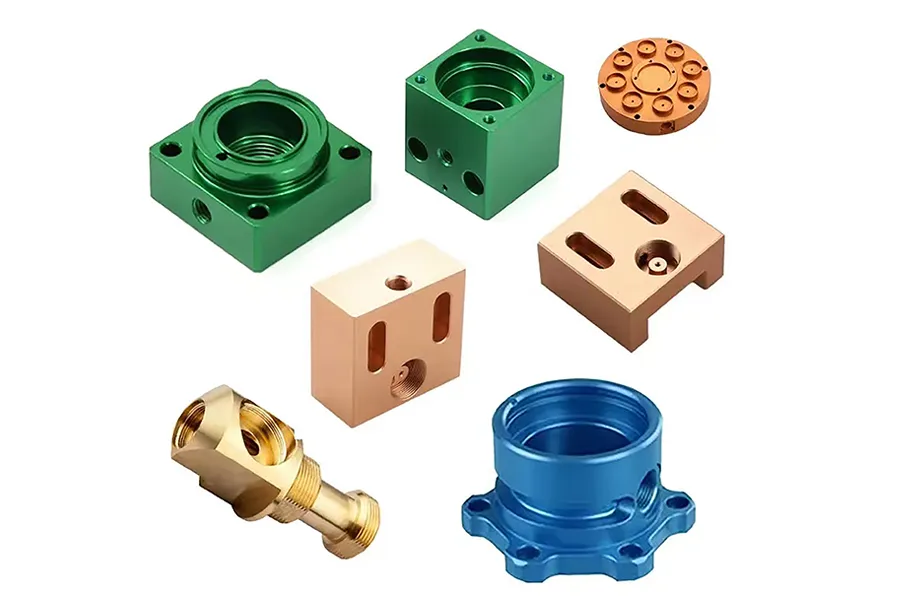
One of the primary advantages of CNC machining in mold production is its ability to create complex geometries that are often difficult or impossible to achieve with traditional machining methods. This is particularly relevant for injection molds, where intricate details can significantly impact the final product's quality. By utilizing CAD (Computer-Aided Design) software, manufacturers can design molds that optimize material flow and cooling efficiency, ultimately resulting in better part quality.
Material selection plays a crucial role in the CNC machining process for injection molds. Common materials used for molds include steel, aluminum, and various alloys, each offering distinct advantages. Steel molds are known for their durability and longevity, making them suitable for high-volume production runs. On the other hand, aluminum molds are lighter and easier to machine, allowing for faster production cycles, which is ideal for prototype development or lower-volume projects. Understanding the properties of each material and selecting the appropriate one for your specific application can greatly enhance the overall efficiency of the machining process.
When it comes to CNC machining techniques, adopting the right strategies is vital for achieving optimal results. Utilizing high-speed machining can significantly reduce cycle times, allowing for quicker turnaround on mold production. Additionally, integrating advanced tooling and fixtures can enhance the accuracy and stability of the machining process, leading to improved surface finishes and reduced post-processing requirements.
Furthermore, effective quality control measures are essential in ensuring that the CNC machined injection molds meet the required specifications. Implementing regular inspections throughout the machining process, such as using coordinate measuring machines (CMM) to verify dimensions, can help identify potential issues early on, minimizing waste and rework.
In conclusion, CNC machining plays a pivotal role in the manufacturing of injection molds. By focusing on design optimization, material selection, and the implementation of efficient machining techniques, professionals in the manufacturing and machining industry can significantly enhance their mold fabrication processes. Embracing these best practices will not only lead to improved mold quality but also increase overall productivity and profitability in the competitive landscape of mold manufacturing.
Latest news

Service hotline(09:00 - 18:00)
Email: albee@dghaojia.com
Tel: +86 13544706569
Address: Building 2, No. 8 Junpeng Road, Tangxia Town, Dongguan City, Guangdong Province, China
SEO | Privacy Policy | Powered by CEglobal
Contact us:
TEL:
Email:
在线客服添加返回顶部
页面顺滑的滚动
右侧在线客服样式 1,2,3 1
图片alt标题设置: Dongguan Haojia Hardware Electronics Co., Ltd.
表单验证提示文本: Content cannot be empty!
循环体没有内容时: Sorry,no matching items were found.
CSS / JS 文件放置地